| HHM H28-- Diphenyl ether |
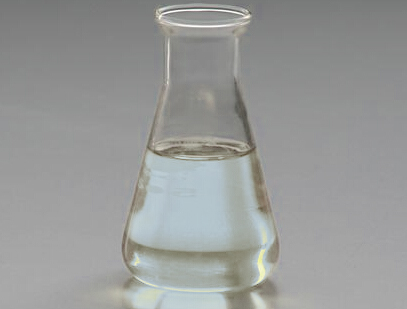 | HHM H28 (diphenyl ether) is a colorless crystalline or liquid. It has a pelargonium odor. It is soluble in ethanol, benzene, ether, and glacial acetic acid, and insoluble in water. Relative density (d20) 1.075. Melting point 28 ℃. Boiling point 259 ℃. Flash point 115 ℃. Low toxicity, median lethal dose (rat, oral) 3370mg/kg. It is irritating. It is used as a constant temperature heat transfer medium. Gas chromatography stationary liquid (highest use temperature 100 ℃, solvent is acetone). Soap. Organic synthesis.
|
|
|
|
|
Upstream:Phenol, chlorobenzeneDownstream:Tetrabromodiphenyl ether,biphenyl-Phenyl ether heat transfer oil, flavor and fragrance, other organic compounds
|
| HHM H28 Diphenyl ether Product physical and chemical data |
| Appearance | Colorless crystalline or liquid, with the odor of pelargonium. |
| Component | Diphenyl ether |
| English name | DIPHENYL OXIDE |
| CAS NO. | 101-84-8 |
| HS NO. | 2909309090 |
| Molecular formula | C12H10O |
| Molecular weight | 170.22 |
| Moisture PPM(mg/Kg) | ≤300 |
| Flash point/℃ | 115 |
| Melting point/℃ | 28 |
| Boiling point/℃ | 257 |
| Density Relative density (water = 1) | 1.07(20℃) |
| solubility | Soluble in ethanol, ether, benzene and acetic acid, insoluble in water, solutions of inorganic acids and alkaline solutions. |
| Packaging method | Solid 200kg/galvanized iron drum |  |
| liquid ISO TANK | 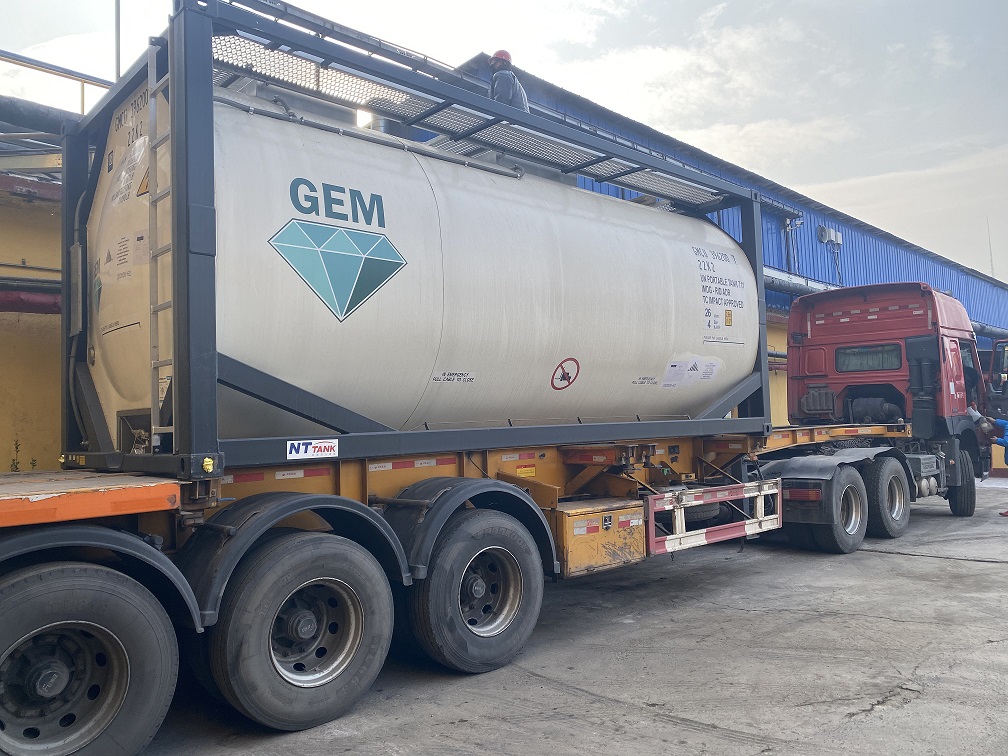 |
| Notes: The above data is based on the national and enterprise standards, if you need specific information about a certain batch, please contact the sales directly or email tohennychem@hotmail.com to obtain. |
|
| HHM H28 Diphenyl ether application |
| 1. It is mainly used as one of the components of organic high-temperature heat transfer fluid. |
| A mixture of diphenyl ether and biphenyl in a mass ratio of 73.5:26.5is called guide A, also known as biphenyl-biphenyl ether heat transfer oil. The temperature range of use: gas phase 232-399 ℃, liquid phase 21-399 ℃, the working temperature is not greater than 400 ℃. A mixture of diphenyl ether and methylbiphenyl is called guide LF, with a low melting point, can still be used at -30 ℃, is a low-temperature, low-viscosity heat carrier. |
| 2.For the production of perfumes and flavorings. |
| Diphenyl ether has a fragrance of rose and caltrop, and also a sweet orange and water lily fragrance, which is called crystallized rose oil or artificial rose oil in the fragrance industry. Because diphenyl ether is more stable in alkaline, it is often used in soap fragrance, and is also often used as a substitute for rose oil, suitable for making floral type cosmetics, deodorants, etc. GB 2760--1996 stipulates that it is temporarily allowed to be used as a food flavoring. GB 2760--2001 stipulates that it is a citrus preservative and fresh-keeping agent. When used together with diphenyl methane, the fragrance can be more ethereal, and can be used in soaps, detergents, daily industrial products such as rose, caltrop, hyacinth, sweet osmanthus, newly cut grass, sandalwood, etc., to give a green fragrance. It can also be used to formulate artificial rose oil. |
| 3. For the production of flame retardant decabromodiphenyl ether. |
| 4.For the synthesis of resins and other organic synthesis production. |
| Production method of dibenzyl ether HHM H28 |
It is obtained by the condensation of chlorobenzene and phenol in an alkaline solution with copper as a catalyst.Hydroxide potassium, phenol, and chlorobenzene are mixed in a molar ratio of1:1.4:1.06. Copper powder is added, and the mixture is stirred and heated for condensation reaction. After the reaction is completed, it is treated with acid, and the layer of dibenzyl ether is separated and distilled under reduced pressure to obtain the dibenzyl ether product. Dibenzyl ether can also be obtained by reacting chlorobenzene and phenol in a sodium hydroxide solution.Another industrial source of dibenzyl ether is as a by-product of the hydrolysis of chlorobenzene to phenol. During the hydrolysis of chlorobenzene with sodium hydroxide, about10%of the chlorobenzene is converted into dibenzyl ether, and some processes can achieve a conversion rate of up to20%
|
| Storage and transportation method of HHM H28 diphenyl ether |
1.Precautions for operation: Close the operation, fully ventilated. The operator must be specially trained and strictly adhere to the operating procedures. It is recommended that operators wear self-priming filter dust masks, wear chemical safety goggles, wear chemical gloves. Keep away from fire sources, heat sources, and smoking is strictly prohibited in the workplace. Use explosion-proof type ventilation system and equipment. Prevent smoke or dust from leaking into the air of the workplace. Avoid contact with oxidants. Handle with care to prevent damage to packaging and containers. Equipped with corresponding types and quantities of fire-fighting equipment and leakage emergency handling equipment. Empty containers may contain harmful residues.
2.Precautions for storage: Store in a cool, ventilated warehouse. Keep away from fire sources and heat sources. It should be stored separately from oxidants, and it is strictly forbidden to mix. Equipped with corresponding types and quantities of fire-fighting equipment. The storage area should be equipped with leakage emergency handling equipment and suitable absorption materials. |
| HHM H28 Hazard Summary for Diphenyl ether |
【Health Hazards】Except for the unpleasant odor, there is no obvious harm to humans, but its unpleasant odor makes people feel nauseous. Long term exposure can cause dermatitis.
【Fire and Explosion Hazard】This product is flammable. |
| HHM H28 First aid for dibenzyl ether |
【Skin Contact】Remove contaminated clothing and flush with large amounts of running water.
【Eye Contact】Hold eyelids open and flush with large amounts of running water or saline. Seek medical attention.
【Inhalation】Move to a well-ventilated area quickly.
【Ingestion】 Drink plenty of warm water and induce vomiting. Seek medical attention. |
| Fire-fighting measures for diphenyl ether (HHM H28) |
|
【Hazardous Properties】Flammable when exposed to open fire or high temperatures. If exposed to high temperatures, the pressure inside the container increases, posing a risk of cracking and explosion.
【Harmful Combustion Products】Carbon monoxide, carbon dioxide.
【Extinguishing Method】Move the container from the fire scene to an open area as much as possible. Spray water to keep the container in the fire scene cool until the end of the fire extinguishing. If the container in the fire scene has discolored or produced sound from the safety pressure relief device, it must be evacuated immediately.
【Extinguishing Agent】Fog water, foam, dry powder, carbon dioxide, sand. |
HHM H28 Emergency leakage disposal of dibenzyl ether
|
【Emergency Handling】Quickly evacuate personnel in the leakage pollution area to a safe area, and isolate it, strictly limiting entry and exit. Cut off the fire source. It is recommended that emergency handling personnel wear self-priming filter anti-toxic masks (full face), and wear general operation work clothes. Cut off the leakage source as much as possible. If it is a liquid, prevent it from flowing into sewers, drainage ditches and other confined spaces.
【Small leakage】Use sand or other non-flammable materials to adsorb or absorb. You can also use a乳液 made from a non-flammable dispersant to wash, and dilute the wash solution and discharge it into the wastewater system.
【Large leakage】Build a dike or dig a pit to contain it. Transfer to a tank truck or special collector using a pump, and recycle or transport to a waste disposal site for disposal. If it is a solid, collect with a clean shovel into a dry, clean, covered container. If there is a large leakage, collect, recycle or transport to a waste disposal site for disposal.
|